
HIIT for Sports Performance: Sport-Specific Interval Protocols
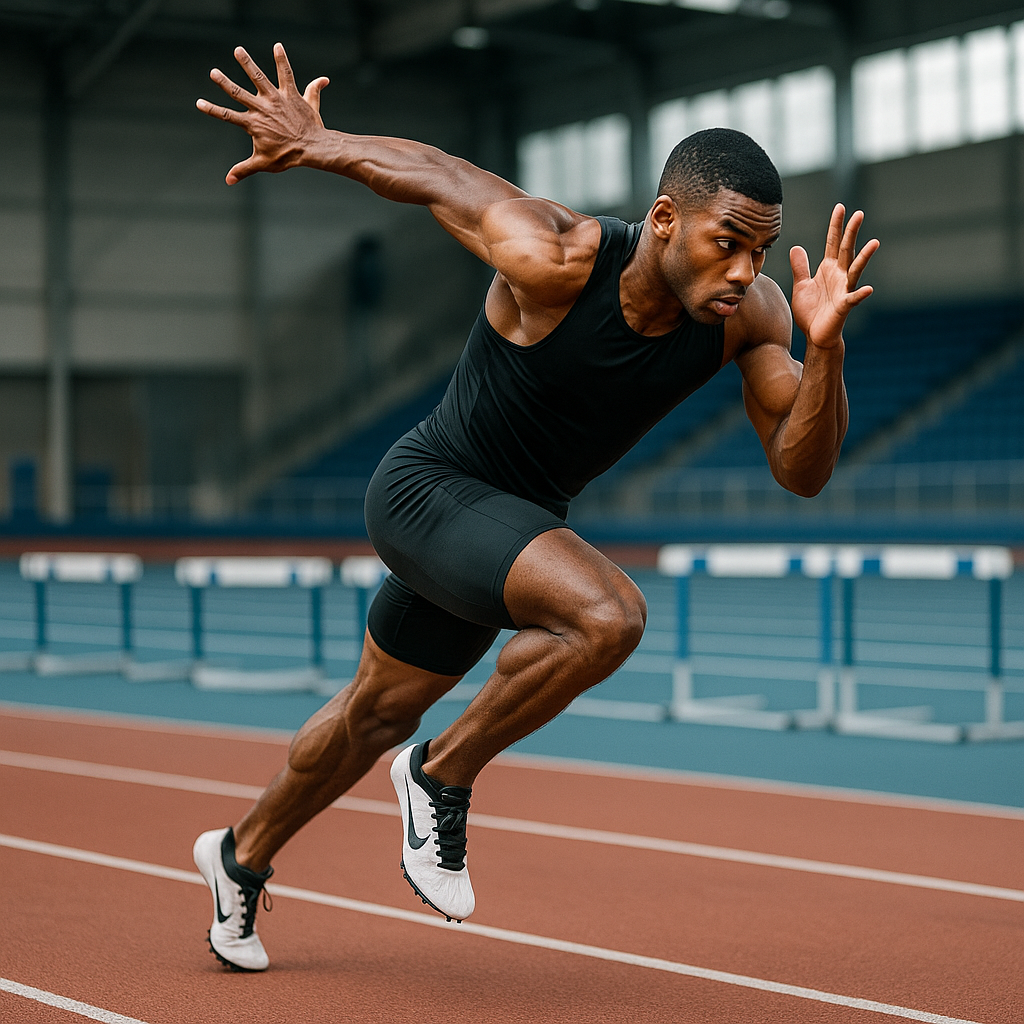
Elite athletic performance requires more than general fitness—it demands training that precisely matches the physiological and biomechanical demands of competition. While traditional cardio and strength training provide valuable fitness foundations, sport-specific HIIT protocols offer the targeted adaptations that separate good athletes from great ones. The difference lies in understanding how to design interval training that directly transfers to competitive performance.
Modern sports science has revolutionized our understanding of how different sports stress the body's energy systems, movement patterns, and recovery capabilities. Soccer players require different physiological adaptations than swimmers, basketball players need distinct training stimuli compared to cyclists, and tennis players benefit from protocols that differ markedly from distance runners. Generic training approaches simply cannot provide the specific adaptations needed for peak performance in individual sports.
The beauty of sport-specific HIIT lies in its ability to simultaneously develop multiple performance factors within training sessions that mirror competitive demands. Rather than training energy systems, strength, power, and sport skills separately, intelligent interval design integrates these elements to create powerful synergistic adaptations that directly enhance competitive performance.
High-level athletes across all sports now incorporate sophisticated HIIT protocols that are meticulously designed to match their sport's unique demands. From the explosive power requirements of sprinting to the sustained high-intensity efforts of cycling, from the intermittent nature of team sports to the precision demands of skill-based activities, sport-specific interval training has become essential for reaching elite performance levels.
This comprehensive guide explores how to analyze your sport's demands, design targeted interval protocols, and implement training systems that translate directly to competitive success. Whether you're a weekend warrior looking to dominate recreational leagues or an aspiring elite athlete seeking every possible advantage, understanding sport-specific HIIT can transform your performance and give you the edge needed to excel in your chosen sport.
Understanding Energy System Demands by Sport
Every sport places unique demands on the body's three energy systems: the phosphocreatine system for immediate explosive power, the glycolytic system for high-intensity efforts lasting 30 seconds to 2 minutes, and the oxidative system for sustained aerobic efforts. Successful sport-specific training requires precise understanding of how these systems contribute to performance in your particular sport.
Sprint events rely almost exclusively on the phosphocreatine system for the explosive power needed to generate maximum speed. Training protocols for sprinters must emphasize very short, maximum intensity efforts with complete recovery between repetitions to develop the neuromuscular power and coordination essential for elite sprinting performance. Longer intervals would actually impair the specific adaptations needed for sprint success.
Team sports like soccer, basketball, and hockey present complex energy system demands that vary dramatically based on position, playing style, and game situations. Soccer midfielders might require sustained aerobic capacity combined with repeated sprint ability, while goalkeepers need explosive reactivity with minimal aerobic demands. Understanding your specific role within team sport contexts becomes crucial for designing optimal training protocols.
Endurance sports spanning from 5K running to cycling time trials require sophisticated development of the oxidative system while maintaining capacity for sustained high-intensity efforts. The most effective protocols for these sports focus on improving lactate threshold, VO2 max, and neuromuscular power at race-specific intensities rather than generic aerobic training.
Combat sports and martial arts require unique combinations of explosive power, sustained intensity, and rapid recovery between rounds or exchanges. Training protocols must develop all energy systems while emphasizing the rapid transitions between high and low intensity efforts that characterize competitive combat sports.
Racquet sports like tennis and badminton demand exceptional anaerobic power for explosive movements combined with aerobic capacity to maintain performance throughout long matches. The intermittent nature of these sports requires training protocols that develop both peak power output and the ability to recover quickly between points.
Biomechanical Specificity in Sport-Specific Training
Movement patterns in sport-specific HIIT must closely replicate the biomechanical demands of competition to ensure optimal transfer from training to performance. Generic exercises, regardless of their intensity or energy system development, cannot provide the neuromuscular adaptations needed for sport-specific skill execution under fatigue.
Running-based sports require training that emphasizes proper sprint mechanics, directional changes, acceleration patterns, and deceleration control. Simply running fast in straight lines fails to address the complex movement demands of most competitive situations. Training protocols must integrate cutting, pivoting, and multi-directional movement patterns that match competitive demands.
Jumping and landing mechanics become crucial for sports involving plyometric actions like basketball, volleyball, and track and field jumping events. Training protocols must emphasize proper takeoff techniques, body positioning during flight phases, and safe landing mechanics that prevent injury while maximizing performance. Poor movement patterns practiced at high intensity can actually impair performance and increase injury risk.
Rotational power development is essential for sports involving throwing, swinging, or striking movements. Baseball, golf, tennis, and martial arts all require sophisticated rotational power that must be developed through sport-specific movement patterns rather than generic exercises. Training protocols must emphasize the kinetic chain sequencing and timing that characterizes expert performance in these activities.
Swimming stroke mechanics must be maintained throughout high-intensity training to ensure proper transfer to competitive performance. Training protocols that allow technique breakdown may actually impair performance despite improving general fitness. The technical precision required in swimming makes sport-specific interval design particularly challenging and important.
Team sport movements require integration of sport skills with high-intensity efforts to ensure proper transfer from training to competition. Dribbling, passing, shooting, and defensive movements must be maintained during intense training to develop the ability to execute skills under the fatigue conditions encountered in competition.
Designing Sport-Specific HIIT Protocols
The foundation of effective sport-specific HIIT design lies in comprehensive analysis of competitive demands including typical effort durations, intensity levels, recovery periods, and movement patterns encountered during actual competition. This analysis guides every aspect of protocol design from interval length to exercise selection.
Work-to-rest ratios must closely match competitive demands to ensure appropriate physiological and neuromuscular adaptations. Sports involving brief explosive efforts like weightlifting require very long recovery periods, while sports with continuous action like cycling require protocols with minimal rest. Understanding these ratios ensures training stress matches competitive stress patterns.
Intensity prescription becomes more complex in sport-specific training because traditional heart rate zones may not accurately reflect sport-specific intensity demands. Power output, speed, or sport-specific performance markers often provide better intensity guidance than generic physiological measures. Training intensity must be precisely calibrated to match competitive demands.
Progressive overload in sport-specific protocols advances through increased specificity rather than simply increasing volume or intensity. Early training phases might emphasize general fitness development, while competitive phases focus on highly specific protocols that exactly match competitive demands. This periodized approach ensures peak performance when it matters most.
Skill integration requires careful balance between maintaining technical precision and achieving desired training intensities. Exercise selection must preserve movement quality while providing appropriate physiological stress. This balance often requires creative protocol design that challenges both physical and technical capabilities simultaneously.
Recovery prescription becomes particularly important in sport-specific training where the goal is developing competition-ready fitness rather than maximizing training stress. Recovery periods must allow for quality repetition while developing the energy system and neuromuscular recovery patterns needed for competitive success.
Sport-Specific HIIT Protocols by Category
Explosive Power Sports (Sprinting, Jumping, Throwing)
Athletes in explosive power sports require protocols that develop maximum neuromuscular power while maintaining the movement quality essential for technical event performance. Training must emphasize the phosphocreatine energy system while preserving the precise coordination patterns that determine competitive success.
Protocol structure emphasizes very short work periods (5-15 seconds) at absolute maximum intensity with complete recovery between repetitions (2-5 minutes). This structure allows for maximum power output while preventing the fatigue that would compromise movement quality or shift energy system emphasis away from the targeted phosphocreatine system.
Exercise selection must exactly replicate competitive movement patterns or provide direct transfer to event-specific skills. Sprint training uses acceleration work, maximum velocity efforts, and sport-specific distance repetitions. Jumping events integrate approach run patterns with takeoff techniques. Throwing events combine movement pattern rehearsal with resistance progression.
Technical precision remains paramount throughout all training intensities. Protocols that allow technique breakdown may actually impair competitive performance despite improving general power output. Video analysis and technical coaching become essential components of effective explosive power sport training.
Recovery monitoring ensures complete neuromuscular restoration between repetitions. Incomplete recovery leads to compromised power output and potential technique degradation that could negatively transfer to competitive performance. Power output measurement helps ensure appropriate recovery between efforts.
Periodization emphasizes technical refinement during lower-volume phases and power expression during higher-intensity phases. The delicate balance between developing maximum power and maintaining technical precision requires sophisticated programming that varies emphasis throughout training cycles.
Team Sports (Soccer, Basketball, Hockey)
Team sport athletes require protocols that develop multiple energy systems while integrating sport-specific movement patterns and skill execution under fatigue. The complex demands of team sports necessitate training protocols that can simultaneously address aerobic capacity, anaerobic power, agility, and sport-specific skills.
Protocol structure varies dramatically based on position-specific demands and tactical systems. Attacking players might emphasize explosive sprint ability with moderate recovery, while defensive players might require sustained high-intensity efforts with limited recovery. Understanding individual roles within team contexts becomes crucial for optimal protocol design.
Small-sided games provide excellent sport-specific training that integrates physiological development with tactical skill acquisition. Modified game formats can be manipulated to emphasize specific energy systems or movement patterns while maintaining sport-specific decision-making and skill execution under pressure.
Agility and directional change protocols must replicate the unpredictable movement patterns encountered in competitive team sports. Pre-planned agility drills fail to address the reactive movement demands of actual competition. Training protocols must incorporate decision-making and reactive components that match competitive cognitive demands.
Skill maintenance under fatigue becomes particularly important for team sport athletes who must execute complex technical skills while experiencing high levels of physiological stress. Training protocols must systematically expose athletes to skill execution under increasing levels of fatigue to develop competition-ready technical reliability.
Position rotation within training protocols helps develop tactical versatility while providing varied physiological stimuli. Players who understand multiple positions often become more valuable team contributors while benefiting from the varied training demands associated with different tactical roles.
Endurance Sports (Distance Running, Cycling, Swimming)
Endurance sport athletes require protocols that develop high-end aerobic capacity while building tolerance for sustained high-intensity efforts that characterize competitive performance in longer events. Training must emphasize the oxidative energy system while developing neuromuscular resilience at race-specific intensities.
Lactate threshold development becomes central to endurance sport success, requiring protocols that systematically expose athletes to intensities at or slightly above their threshold pace. These efforts develop both physiological capacity and mental tolerance for the discomfort associated with sustained high-intensity efforts.
VO2 max intervals provide essential stimulus for developing maximum aerobic power in endurance athletes. Protocol design must balance sufficient intensity to stress the cardiovascular system with appropriate recovery to allow for quality repetitions. Typical protocols involve 3-8 minute efforts at 90-100% VO2 max with equal recovery periods.
Race-specific protocols become increasingly important as competitive events approach. Training must exactly replicate the physiological and tactical demands of target competitions including pacing strategies, fueling protocols, and environmental considerations that will affect competitive performance.
Technical efficiency maintenance during high-intensity efforts separates elite endurance athletes from recreational competitors. Swimming stroke mechanics, running form, and cycling position must be preserved throughout intense training to ensure positive transfer to competitive performance.
Progressive volume and intensity development follows sophisticated periodization models that peak athletes for specific competitive events. The high training volumes characteristic of endurance sports require careful management to prevent overtraining while ensuring adequate stimulus for continued adaptation.
Perfect Your Sport-Specific Timing
Elite athletes need precise interval timing for sport-specific training. Our Peak Interval app provides customizable protocols for every sport with audio cues that work in any training environment. Train like a pro with professional-grade timing.
Download Peak IntervalCombat Sports and Martial Arts
Combat sport athletes face unique training challenges due to the intermittent high-intensity nature of competition combined with the need to maintain technical precision under extreme physiological stress. Training protocols must develop explosive power, sustained anaerobic capacity, and rapid recovery while preserving complex motor skills.
Round-based training protocols replicate the specific work-to-rest ratios encountered in competitive combat sports. Boxing protocols might emphasize 3-minute high-intensity efforts with 1-minute recovery, while mixed martial arts protocols could incorporate 5-minute rounds with varied intensity patterns that match competitive pacing strategies.
Technique integration under fatigue becomes particularly crucial for combat sport athletes whose performance and safety depend on maintaining proper defensive positioning and offensive technique execution throughout intense competitive efforts. Training protocols must systematically expose athletes to skill execution under increasing levels of physiological stress.
Multiple energy system development requires sophisticated protocol design that addresses the varied intensity demands of combat sports. Explosive striking and grappling require phosphocreatine system development, sustained exchanges demand glycolytic capacity, and overall match tolerance requires oxidative system conditioning.
Mental toughness development through physical challenge becomes an essential component of combat sport training. Protocols that push athletes beyond their comfort zones while maintaining safety help develop the psychological resilience needed for competitive success in high-pressure combat situations.
Recovery between training sessions becomes particularly important for combat sport athletes whose intense training can place significant stress on both physiological and neurological systems. Training protocols must balance adequate stimulus with sufficient recovery to prevent overtraining and maintain technical skill development.
Racquet Sports (Tennis, Badminton, Squash)
Racquet sport athletes require protocols that develop explosive power for court movement and stroke production while maintaining aerobic capacity for sustained high-level performance throughout long matches. The intermittent nature of racquet sports creates unique training challenges that require sophisticated protocol design.
Point simulation protocols replicate the specific work-to-rest ratios encountered in competitive racquet sports. Tennis protocols might involve 5-15 second high-intensity efforts with 15-25 second recovery periods, closely matching the physiological demands of actual point play including serving, rallying, and court positioning.
Multi-directional movement patterns must be emphasized throughout training protocols to address the complex court coverage demands of racquet sports. Forward, backward, lateral, and diagonal movements combined with rapid direction changes create training demands that cannot be addressed through traditional linear exercise protocols.
Hand-eye coordination maintenance under fatigue becomes crucial for racquet sport athletes whose stroke precision and timing determine competitive success. Training protocols must integrate stroke production with high-intensity movement to develop the ability to maintain technical precision throughout long, physically demanding matches.
Tactical decision-making under physiological stress requires training protocols that incorporate cognitive challenges alongside physical demands. Simple reaction time training fails to address the complex decision-making required for successful competitive performance in dynamic, unpredictable racquet sport environments.
Match-specific pacing strategies must be developed through training protocols that replicate the varied intensity demands of competitive matches. Different phases of matches place different physiological and psychological demands on athletes, requiring training that addresses these varied competitive scenarios.
Periodization and Peak Performance Timing
Successful sport-specific HIIT implementation requires sophisticated periodization that varies training emphasis throughout the competitive season to ensure peak performance when it matters most. The timing and sequencing of different training phases can make the difference between good performance and competitive excellence.
Base building phases emphasize general fitness development and movement skill acquisition that provides the foundation for later sport-specific work. During these phases, protocols may be less specific to competitive demands while focusing on developing the physiological and technical capabilities that will support more intensive sport-specific training.
Build phases transition toward increasingly sport-specific protocols that more closely replicate competitive demands. Training volume typically increases during these phases while maintaining moderate intensity levels that allow for consistent high-quality training without excessive fatigue accumulation.
Peak phases emphasize highly specific protocols that exactly match competitive demands while reducing training volume to allow for complete recovery and maximum performance expression. These phases require precise timing relative to important competitions and careful monitoring to ensure optimal performance readiness.
Recovery phases allow for physiological and psychological restoration while maintaining basic fitness levels through reduced-volume, low-intensity training. These phases prevent overtraining while preparing athletes for subsequent training cycles that will build toward new competitive peaks.
Competition phases require maintenance of peak fitness levels while managing the physiological and psychological stresses of actual competition. Training during competitive periods must balance performance maintenance with recovery from competitive efforts and preparation for subsequent competitions.
Annual planning integrates multiple periodization cycles throughout the competitive year, accounting for different phases of training, competition schedules, and individual athlete needs. Successful annual plans require sophisticated understanding of training adaptation timelines and careful attention to preventing overtraining while maintaining competitive fitness.
Monitoring and Adjusting Sport-Specific Protocols
Effective sport-specific training requires continuous monitoring of athlete responses and systematic adjustment of protocols based on performance indicators, physiological markers, and subjective feedback. The complexity of sport-specific adaptations demands more sophisticated monitoring than general fitness training.
Performance testing should utilize sport-specific measures that directly relate to competitive success rather than generic fitness markers. Sprint testing for team sport athletes, time trial performance for endurance athletes, and skill-specific assessments for technical sports provide more relevant feedback than traditional laboratory measures.
Physiological monitoring may include heart rate variability, lactate testing, power output measurement, or other sport-specific markers that provide insight into training adaptation and recovery status. The specific markers chosen should relate directly to the physiological demands and adaptations targeted through training.
Subjective monitoring through training logs, perceived exertion scales, and regular athlete feedback provides crucial information about training tolerance, motivation levels, and psychological readiness for high-intensity training. Athletes often provide the most sensitive indicators of overtraining or inadequate recovery.
Video analysis becomes particularly valuable for sports with complex technical components where movement quality must be maintained throughout high-intensity training. Regular technique assessment ensures that training protocols are enhancing rather than compromising sport-specific movement patterns.
Progressive adjustment of protocols based on monitoring feedback ensures continued adaptation and prevents training plateaus. Successful coaches systematically modify training variables including intensity, volume, specificity, and recovery based on objective and subjective indicators of athlete status.
Competition performance analysis provides the ultimate feedback on training protocol effectiveness. Systematic evaluation of competitive performances relative to training adaptations helps refine future protocol design and ensures training is translating to improved competitive results.
Injury Prevention in High-Intensity Sport-Specific Training
The high intensities and sport-specific movement patterns inherent in advanced HIIT protocols create unique injury risks that require sophisticated prevention strategies. Preventing injury becomes particularly crucial for athletes whose competitive success depends on consistent high-level training.
Movement quality assessment identifies technique deficiencies or asymmetries that could lead to injury under high-intensity conditions. Regular movement screening helps identify problems before they result in injury while providing guidance for corrective exercise interventions.
Progressive loading ensures that tissues adapt gradually to the high forces and rapid movements characteristic of sport-specific training. Sudden increases in training intensity or specificity often result in overuse injuries that could be prevented through more gradual progression.
Recovery optimization becomes particularly important for athletes engaged in high-intensity sport-specific training. Inadequate recovery between sessions can lead to technique degradation, increased injury risk, and compromised training adaptation. Sleep, nutrition, and active recovery protocols become essential components of injury prevention.
Strength and mobility maintenance provides the physical foundation needed to tolerate high-intensity sport-specific training safely. Deficiencies in basic strength or mobility often become apparent only when exposed to the high forces and extreme ranges of motion encountered in intense sport-specific training.
Environmental considerations including training surface, weather conditions, and equipment quality can significantly impact injury risk during high-intensity training. Proper attention to these factors helps prevent acute injuries while creating optimal conditions for training adaptation.
Emergency preparedness becomes particularly important during high-intensity training where the risk of acute injury may be elevated. Proper emergency protocols, qualified medical coverage, and appropriate emergency equipment help ensure athlete safety during intense training sessions.
Technology and Data Analysis for Performance Optimization
Modern technology provides unprecedented opportunities to optimize sport-specific training through detailed performance analysis, physiological monitoring, and training load management. Elite athletes and coaches increasingly rely on sophisticated data analysis to gain competitive advantages.
Wearable sensors can provide real-time feedback on movement patterns, physiological responses, and training loads during sport-specific HIIT sessions. GPS units track speed and distance in field sports, while accelerometers measure movement quality and impact forces across various activities.
Power measurement devices provide objective intensity monitoring for sports where power output directly relates to performance. Cycling power meters, rowing ergometers, and force platforms allow for precise intensity prescription and training load quantification that improves training effectiveness.
Video analysis software enables detailed examination of technique changes under fatigue conditions, helping coaches identify when training intensity begins to compromise movement quality. High-speed video analysis can reveal technique breakdowns that aren't visible to the naked eye during intense training.
Heart rate variability monitoring provides insight into autonomic nervous system status and recovery readiness, helping coaches determine when athletes are ready for high-intensity training versus when recovery is needed. This technology helps prevent overtraining while optimizing training timing.
Performance analysis software integrates multiple data streams to provide comprehensive pictures of training responses and competitive performance trends. These systems help coaches identify successful training approaches while highlighting areas needing attention or adjustment.
Predictive analytics using machine learning algorithms can help optimize training periodization and predict performance outcomes based on training load patterns. While still emerging, these technologies offer exciting possibilities for future training optimization.
Mental Training Integration with Physical Protocols
Elite sport performance requires integration of mental training with physical conditioning protocols to develop the psychological skills needed for competitive success under high-stress conditions. Sport-specific HIIT provides excellent opportunities for mental skill development when properly designed.
Pressure training involves creating psychological stress during physical training to simulate competitive conditions. This might include training under time pressure, with distractions, or in front of observers to develop the focus and concentration needed for competitive success.
Visualization techniques can be integrated with physical training to enhance skill acquisition and competitive preparation. Athletes can practice mental rehearsal of successful performance during recovery periods or use imagery to enhance motivation during challenging training intervals.
Goal setting within training sessions helps develop the focus and determination needed for competitive success. Short-term process goals during training sessions can build the mental skills needed for maintaining focus during long competitive efforts.
Confidence building through systematic success experiences in training helps athletes develop the self-belief needed for peak competitive performance. Properly designed training progressions provide regular success experiences that build confidence while challenging athletes to improve.
Stress management techniques practiced during high-intensity training help athletes develop coping strategies for competitive pressure. Breathing techniques, positive self-talk, and relaxation skills can be practiced and refined during challenging training sessions.
Mental toughness development through physical challenge helps athletes build resilience and determination that transfers to competitive situations. Training that pushes athletes beyond their comfort zones while maintaining safety can build psychological strength alongside physical fitness.
The Future of Sport-Specific Training
Emerging technologies and scientific understanding continue to advance the possibilities for sport-specific training optimization. Future developments promise even more precise and effective approaches to developing competitive performance through targeted interval training.
Genetic testing may eventually allow for individualized training prescription based on genetic markers for trainability, recovery capacity, and injury risk. This personalization could dramatically improve training effectiveness while reducing injury risk for individual athletes.
Virtual and augmented reality systems offer exciting possibilities for sport-specific training that combines physical conditioning with technical skill development in controlled environments. These systems could provide consistent training opportunities regardless of weather, facility availability, or travel schedules.
Artificial intelligence systems capable of analyzing vast amounts of training and performance data may provide coaching insights that surpass human analytical capabilities. AI coaches could potentially optimize training prescription in real-time based on continuous monitoring of athlete status and performance.
Biomechanical analysis using markerless motion capture systems could provide detailed feedback on movement quality during high-intensity training without the complexity and cost of traditional laboratory analysis. This technology could make sophisticated biomechanical analysis accessible for routine training monitoring.
Neurofeedback systems that monitor brain activity during training could provide insights into mental state and focus levels during high-intensity training. This technology might help optimize the integration of mental and physical training while providing objective measures of psychological training adaptations.
Precision medicine approaches may eventually provide individualized training prescriptions based on comprehensive analysis of genetic, physiological, and psychological factors. This personalization could maximize training effectiveness while minimizing injury risk and overtraining.
Conclusion
Sport-specific HIIT represents the pinnacle of intelligent training design, requiring sophisticated understanding of competitive demands, physiological adaptations, and technical skill development. The most successful athletes and coaches understand that generic training approaches, regardless of their intensity or volume, cannot provide the specific adaptations needed for elite competitive performance.
The key to successful sport-specific training lies in precise analysis of competitive demands followed by systematic design of protocols that exactly match these demands while providing appropriate progression and recovery. This requires deep understanding of energy system contributions, biomechanical patterns, and psychological demands specific to individual sports and positions.
Perhaps most importantly, sport-specific HIIT must maintain the delicate balance between developing maximum physical capacity and preserving the technical precision that determines competitive success. Training that improves fitness while compromising skill execution may actually impair competitive performance despite improving general athletic ability.
The integration of modern technology with traditional coaching wisdom provides unprecedented opportunities for optimizing sport-specific training. However, technology must enhance rather than replace fundamental understanding of training principles and sport-specific demands. The most successful approaches combine scientific rigor with practical coaching experience.
For athletes serious about reaching their competitive potential, sport-specific HIIT provides the targeted adaptations that separate elite performers from recreational competitors. The investment in sophisticated training design and implementation pays dividends in competitive success and athletic longevity.
The future of sport performance lies in increasingly precise and individualized training approaches that account for the unique demands of specific sports, positions, and individual athlete characteristics. Those who embrace this evolution will gain significant competitive advantages over those who rely on generic training approaches.
Success in sport-specific training requires commitment to continuous learning, systematic monitoring, and adaptive programming that evolves with athlete development and competitive demands. The most successful athletes and coaches view training as an ongoing scientific experiment where each session provides data for optimizing future performance.