
Plant-Based Nutrition for HIIT Athletes: Meeting Your Needs on a Vegan Diet
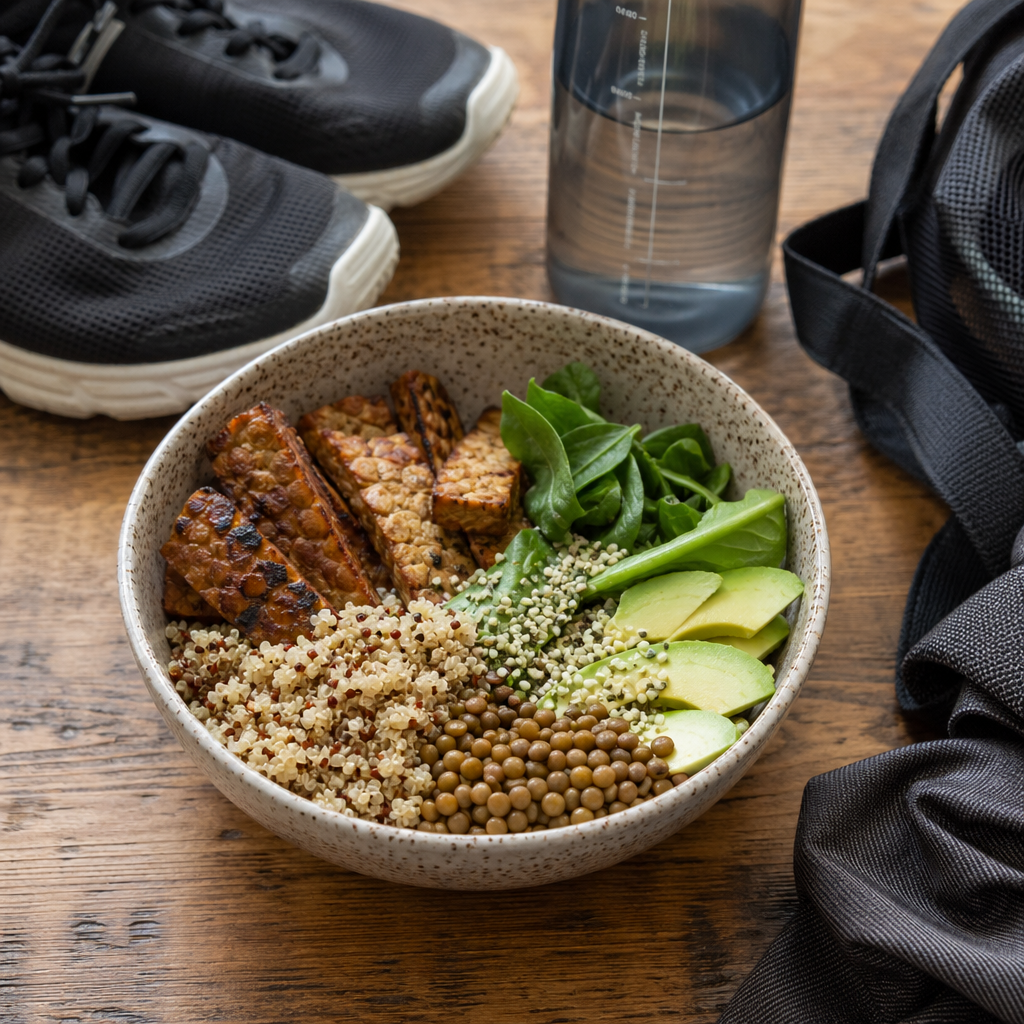
For a long time, the conventional wisdom in fitness culture was that serious athletes needed animal protein, period. The idea that you could perform high-intensity interval training on a plant-based diet — let alone thrive on it — was treated with skepticism that ranged from polite doubt to outright dismissal. That picture has shifted dramatically over the last decade, partly because the science has caught up and partly because plant-based athletes at the highest levels of professional sport have made the old assumptions look increasingly silly.
That said, fueling HIIT on a plant-based diet does require more deliberate planning than fueling it on a typical mixed diet. This isn't because plant foods are nutritionally inferior — many of them are remarkably nutrient-dense — but because some nutrients that come easily from animal sources require more attention when you remove those sources. This post walks through what plant-based HIIT athletes actually need, where the common pitfalls are, and how to build a sustainable nutrition strategy that supports both performance and long-term health.
The Protein Question, Settled Honestly
Let's start with the question that dominates every conversation about plant-based athletic nutrition: can you get enough protein, and does the protein you get work as well? The answer is yes to both, with some honest caveats.
Plant proteins generally have somewhat lower digestibility than animal proteins, and many individual plant foods have less complete amino acid profiles. Both of these issues can be handled, but they do mean that plant-based athletes typically benefit from slightly higher total protein intake than their omnivorous peers — roughly 1.6 to 2.2 grams per kilogram of body weight per day for active individuals, with HIIT athletes generally landing in the upper portion of that range.
The completeness issue is largely solved by eating a variety of plant proteins across the day rather than fixating on individual meals. Beans, lentils, and chickpeas are rich in lysine but lower in methionine; grains like oats, rice, and wheat are the inverse. When you eat both across the day — which most people do without thinking about it — you cover the full amino acid spectrum easily. Soy products (tofu, tempeh, edamame) and quinoa are unusual among plant foods in providing complete protein in a single source, which makes them particularly useful staples for athletes.
Practical protein sources that should anchor a plant-based athlete's diet include tofu, tempeh, lentils, black beans, chickpeas, edamame, seitan, hemp seeds, pumpkin seeds, peanuts, quinoa, and high-protein plant milks. Plant-based protein powders — pea, soy, hemp, brown rice, or blended formulations — are useful for hitting daily protein targets, especially around training sessions. A blended protein powder that combines pea and rice protein (or pea and other complementary sources) is particularly effective because it provides a more complete amino acid profile than any single-source plant protein.
For most HIIT athletes, hitting protein targets on a plant-based diet looks like consuming protein-rich plant foods at every meal, including a meaningful protein source within an hour or two of training, and using protein powders strategically when whole foods aren't convenient. With this approach, plant-based athletes can match or exceed the muscle protein synthesis responses of their omnivorous peers.
Carbohydrates Are a Plant-Based Strength
Where protein requires deliberate planning, carbohydrate intake is something plant-based diets handle effortlessly. HIIT is glycogen-dependent — the high-intensity work intervals draw heavily on stored carbohydrate, and your ability to recover quickly between intervals and across sessions depends significantly on how well you replenish those stores. The whole-food carbohydrates that anchor most plant-based diets — sweet potatoes, oats, rice, quinoa, fruit, beans, and starchy vegetables — are nearly ideal training fuel.
Aim for the bulk of your carbohydrates to come from minimally processed sources, with strategic use of more refined sources around training when fast-acting fuel is helpful. A pre-workout banana, a post-workout bowl of rice with beans, oatmeal with berries before a morning session — these are basic plant-based fueling patterns that work remarkably well for HIIT.
The carbohydrate intake recommendations for HIIT athletes — typically 4 to 7 grams per kilogram of body weight per day for moderate to high training volumes — are easily met on a plant-based diet without conscious effort. If anything, the challenge for some plant-based athletes is consuming enough total calories rather than enough carbs specifically. The high fiber content of plant foods can be filling enough that some athletes inadvertently under-eat, which over time leads to under-recovery and stalled progress.
Critical Nutrients That Need Special Attention
Beyond macronutrients, several specific nutrients require deliberate attention on a plant-based diet, particularly for athletes whose demands are higher than the general population.
Vitamin B12 is the one nutrient that essentially cannot be obtained reliably from unfortified plant foods. Supplementation is non-negotiable for anyone following a fully vegan diet long-term. Most plant-based athletes do well with a daily B12 supplement (typically 25 to 100 micrograms of cyanocobalamin or methylcobalamin) or a higher-dose weekly supplement. Deficiency develops slowly but causes serious problems — anemia, neurological issues, fatigue — and is fully preventable with consistent supplementation.
Iron is present in many plant foods (lentils, beans, tofu, leafy greens, fortified cereals, pumpkin seeds), but the non-heme iron in plants is absorbed less efficiently than the heme iron in animal foods. Plant-based athletes need to pay attention to total intake and absorption-supporting practices: eating iron-rich plants alongside vitamin C sources (citrus, bell peppers, strawberries, broccoli) significantly improves absorption, while consuming coffee, tea, or calcium supplements with iron-rich meals reduces it. Periodic blood work to check ferritin levels is reasonable, especially for women athletes whose iron needs are higher.
Omega-3 fatty acids, specifically EPA and DHA, are produced very inefficiently from the alpha-linolenic acid (ALA) found in flax, chia, walnuts, and hemp. Most plant-based athletes benefit from supplementing with an algae-based EPA/DHA product, which provides the same omega-3s found in fish oil without animal sources. These fats support recovery, anti-inflammatory processes, and brain function.
Vitamin D isn't reliably obtained from any food source for most people regardless of diet, but plant-based diets typically provide even less than mixed diets. Sun exposure helps, but for most people in temperate climates, particularly in winter, supplementation is appropriate. A daily supplement of 1000 to 4000 IU of D3 (vegan-sourced from lichen) covers most situations.
Calcium is plentiful in many plant foods (calcium-set tofu, leafy greens, fortified plant milks, almonds, sesame seeds), but ensuring adequate intake requires deliberate attention. Athletes with high training loads have increased bone-stress demands that benefit from consistent calcium intake of 1000 to 1200 milligrams per day.
Iodine is found in seaweed, iodized salt, and some fortified foods. Plant-based athletes who avoid iodized salt and don't eat seaweed regularly should consider supplementation or include kelp/nori weekly.
Zinc is present in beans, seeds, nuts, and whole grains but absorbed somewhat less efficiently than from animal sources. Active intake of these foods, plus the consideration of supplementation if dietary intake is uncertain, addresses this.
Creatine isn't strictly a deficiency concern, but it's worth noting. Creatine is found in animal muscle and supports high-intensity performance and recovery. Plant-based athletes typically have lower baseline muscle creatine stores, and supplementation (3 to 5 grams per day of creatine monohydrate, which is generally vegan) can produce meaningful performance benefits. This is one of the few supplements with strong evidence for HIIT-relevant performance improvements.
Time Your Nutrition As Precisely As Your Intervals
The same precision that makes HIIT effective applies to fueling around it. Peak Interval helps you structure consistent training, so you can build reliable nutrition timing routines around your sessions and track how fueling adjustments affect your performance.
Download Peak IntervalPre and Post-Workout Nutrition for Plant-Based HIIT
The nutrition timing principles that apply to HIIT in general apply equally on a plant-based diet, with some adjustments for how plant foods digest.
Pre-workout (one to three hours before training): focus on easily digested carbohydrates with moderate protein. A bowl of oatmeal with banana and a scoop of plant protein powder. Sourdough toast with peanut butter and jam. A smoothie with plant milk, banana, berries, and protein powder. These provide the glucose to support high-intensity work without sitting heavy in your gut. If you only have thirty minutes, a piece of fruit alone — banana, dates, an apple — provides usable fuel without digestive interference.
Post-workout (within an hour or two of training): combine carbohydrates with protein to support glycogen replenishment and muscle protein synthesis. A bowl of rice with beans and vegetables. A burrito with rice, beans, tofu, and salsa. A smoothie with plant protein powder, banana, berries, oats, and plant milk. The combination matters more than precise timing — the "anabolic window" is wider than fitness folklore suggests, but eating reasonably soon after training does support recovery, particularly when training frequency is high.
Throughout the day: spread protein intake across multiple meals rather than concentrating it. Roughly 25 to 40 grams of protein per meal, four to five times per day, supports muscle protein synthesis better than two large protein meals. Plant-based diets sometimes default to lower protein at breakfast (oatmeal alone, fruit alone, toast alone) and higher protein at dinner — pulling protein earlier in the day, by adding tofu scrambles, protein-fortified plant milks, or smoothies with protein powder, often makes a meaningful difference for athletes.
Common Mistakes Plant-Based HIIT Athletes Make
A few patterns repeatedly trip up plant-based athletes pursuing demanding training programs.
Under-eating calories. Plant foods are bulkier and lower in calorie density than typical Western mixed diets, and athletes accustomed to that ratio sometimes inadvertently undereat. Symptoms include persistent fatigue, slow recovery, declining performance, and in women, menstrual cycle disruption. The fix is usually to incorporate more energy-dense plant foods — nuts, seeds, nut butters, avocado, oils — alongside the higher-volume vegetables and grains.
Over-relying on processed plant-based meat alternatives. These products have improved dramatically and can be useful occasional foods, but they're often high in sodium, low in fiber, and don't carry the broader nutritional benefits of whole plant foods. Build the foundation of your diet on whole foods, then use processed alternatives strategically.
Neglecting B12 supplementation. This is the single most preventable problem in plant-based nutrition, and yet B12 deficiency continues to be common among long-term vegans who skipped supplementation thinking they were getting enough from fortified foods or fermented sources. Daily or weekly B12 supplementation is genuinely non-negotiable.
Inadequate variety. A diet built around three or four foods, even if those foods are nutrient-dense, leaves gaps that a more varied diet wouldn't. Aim to eat from a wide range of plant foods across the week — different beans, different grains, different vegetables, different nuts and seeds, different fruits — to ensure you're covering the full spectrum of nutrients and phytochemicals.
Ignoring recovery nutrition specifically. General healthy eating works for general health, but athletic training creates specific demands. Plant-based athletes who eat well in general but don't pay attention to peri-workout nutrition often plateau or struggle with recovery in ways that simple timing adjustments would resolve.
Sample Daily Eating Pattern for a Plant-Based HIIT Athlete
To make the principles concrete, here's what a typical day might look like for a plant-based athlete training HIIT three to four times per week:
Breakfast: Tofu scramble with vegetables, sourdough toast, and a glass of fortified plant milk. Or oatmeal cooked with plant milk, topped with hemp seeds, berries, and a scoop of plant protein powder.
Mid-morning snack: An apple with two tablespoons of almond butter. Or a smoothie with plant milk, banana, frozen berries, hemp seeds, and protein powder.
Lunch: A grain bowl with quinoa, black beans, roasted sweet potato, leafy greens, avocado, and tahini dressing. Or a hearty lentil and vegetable soup with whole-grain bread and hummus.
Pre-workout snack (if training in the late afternoon): A banana with peanut butter, or a few dates and a handful of almonds.
Post-workout meal: Rice with stir-fried tofu and vegetables, or a burrito bowl with rice, beans, tempeh, and salsa.
Evening snack (optional, especially during heavy training): Plant yogurt with granola and fruit, or a small handful of nuts and dried fruit.
Daily supplements: B12, vitamin D (if not getting consistent sun exposure), algae-based omega-3, and creatine. Iron and other targeted supplements based on bloodwork.
This pattern provides ample protein (typically 100 to 140 grams depending on body size), abundant carbohydrates for HIIT performance, healthy fats for satiety and hormonal health, and the variety needed to cover micronutrients.
Final Thoughts
A well-planned plant-based diet is more than adequate for high-level HIIT performance. Athletes at every level — from professional triathletes to NFL linemen to powerlifters — have demonstrated that plant-based fueling supports demanding training when done thoughtfully. The plant-based athletes who thrive aren't doing anything magical; they're paying attention to total energy intake, hitting their protein targets reliably, supplementing the few nutrients that need it, and timing their nutrition around training in ways that support performance and recovery.
If you're new to plant-based eating and adjusting your training nutrition, give yourself a few months to dial in your approach. Energy levels often dip temporarily as your body adapts and as you sort out what works best for you, but most athletes who stick with it find that the long-term picture — energy, recovery, body composition, and performance — is genuinely strong. Combine that with the broader health benefits associated with plant-rich eating, and the case for a thoughtfully constructed plant-based athletic diet becomes harder to argue against than it once was.