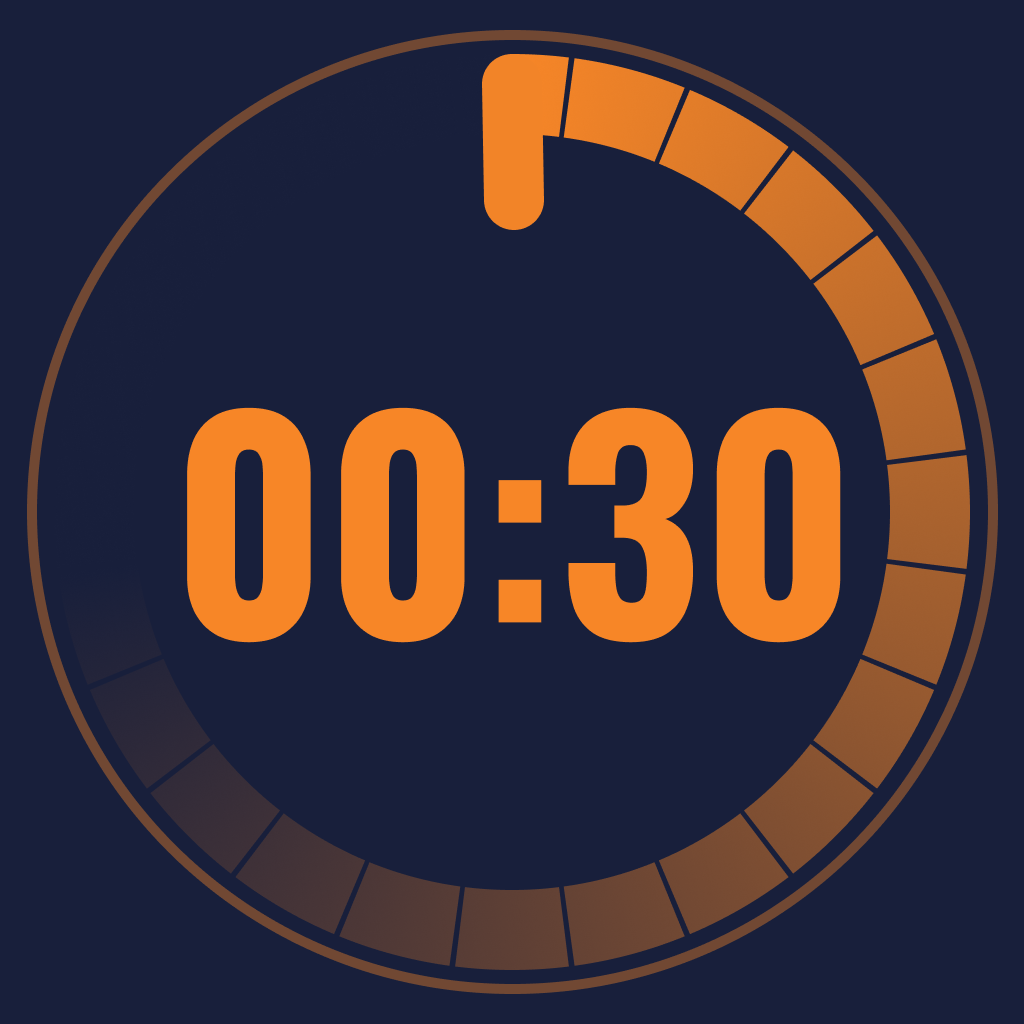
How To Use A Tabata Timer Without Losing The Count
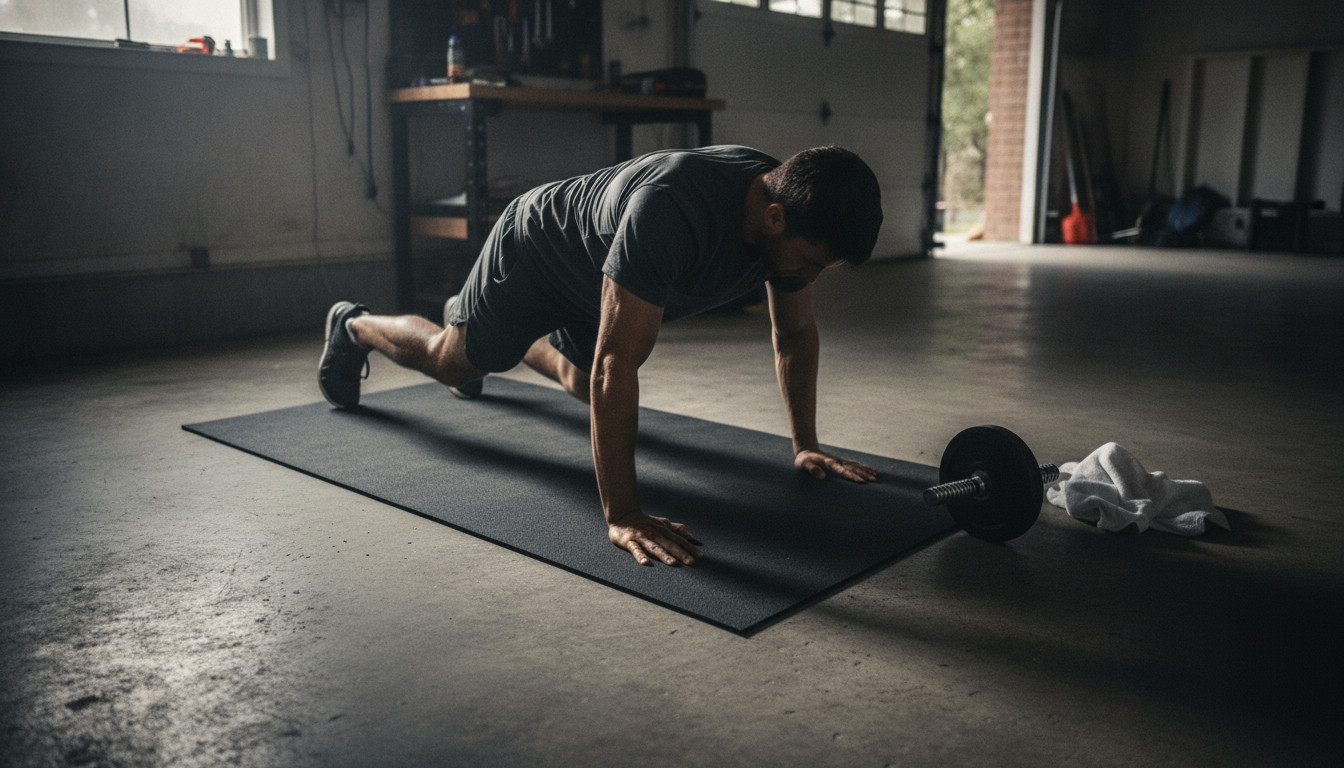
You already know the numbers. Twenty seconds of work, ten seconds of rest, eight times through, four minutes total. That part takes one sentence to explain, which is exactly why nobody explains the rest of it.
The rest of it is where people come unstuck. You start the timer while still walking to the mat, so round one is half wasted. Somewhere around round five the beeps all sound the same and you genuinely cannot tell whether you are meant to be working or breathing. You finish and you are not sure if you did eight rounds or seven. None of that is a fitness problem — it is a timer-operation problem, and it is fixable in about two minutes of setup.
Start with the prep phase, not the first work interval
The single most common Tabata mistake is hitting start and then getting into position. Twenty seconds is short enough that three or four seconds of setup eats a fifth of your first effort, and the first round is the one you were supposed to hit hardest.
A prep phase solves this. Set 10 to 15 seconds of preparation ahead of round one, tap start, put the phone down, and get into your stance. Ten seconds is enough for a floor exercise where you are already near the mat. Fifteen is better if you need to pick up dumbbells or walk to a bike.
In Peak Interval this is a separate phase in the workout, not a bolted-on countdown, so it announces itself and then hands off cleanly to the first 20-second effort. Set it once when you build the workout and it comes back every time you run it.
Know which round you are on before you need to know
Losing the count is not a discipline failure. Around round five your heart rate is high, your ears are full of your own breathing, and eight identical intervals give you nothing to anchor to. If the only feedback is a beep, every round feels the same.
The fix is a timer that indexes the rounds out loud or on screen — "round five of eight" rather than another anonymous tone. That one piece of information turns the back half of a Tabata from a guessing game into a countdown you can pace against, and pacing is the whole point. Knowing you have three rounds left is what stops you from either sandbagging round six or blowing up in round seven.
If you are running from an Apple Watch, this matters more, not less. You cannot glance at a phone on the floor mid-burpee, but a wrist tap plus a spoken round number reaches you without breaking position.
Make work and rest sound different
Ten seconds of rest is barely long enough to stand up. If you spend three of those seconds working out whether the beep you just heard meant stop or go, you have lost a third of your recovery.
Distinct cues fix this instantly. Work and rest should not share a sound. A rising tone into effort and a lower one into rest is enough — your brain learns the difference in about two rounds and then stops thinking about it entirely. Spoken cues are better again when your eyes are on the floor.
Test this before a real session, not during one. Run a single 20/10 pair standing still in your kitchen and listen to what the timer actually does at each transition. Thirty seconds of checking saves you from four minutes of confusion.
Handle the sessions that are not eight clean rounds
Classic Tabata is one four-minute block of a single exercise. Most people do not train that way. You do four rounds of squats, four of push-ups, or you run two Tabata blocks with two minutes between them, or you put a Tabata finisher at the end of a longer session.
This is where a stopwatch-style Tabata app runs out of road — it does 20/10 times eight and nothing else. What you want is the ability to save a block, repeat it, and put a longer rest between repeats.
Build it once: a 15-second prep, eight rounds of 20 on and 10 off, then a 2-minute rest, then the block again. Save it under a name you will recognise on a Tuesday. Peak Interval keeps saved workouts on the watch as well as the phone, so the version you built at your desk is the one you start at the gym.
Two minutes of setup, then stop thinking about it
The goal is a timer you never look at. Prep phase long enough to get in position, round numbers you can hear, work and rest that sound clearly different, and the whole thing saved so you never rebuild it.
Set that up once and Tabata goes back to being what it is supposed to be: four minutes where the only hard decision is how much you have left.